



Understanding the Heat Seal Tester: A Essential Instrument for Packaging Quality Control
2026-08-17 17:31In the packaging industry, the integrity of a sealed package is paramount. Whether it is a food sachet, a pharmaceutical blister pack, or a cosmetic pouch, the seal must be strong enough to protect the contents yet consistent enough to meet production standards. The HST-H3 Heat Seal Tester is a precision laboratory instrument designed to determine the optimal heat-sealing parameters — temperature, time, and pressure — required to bond film and laminate materials into reliable, consistent seals.
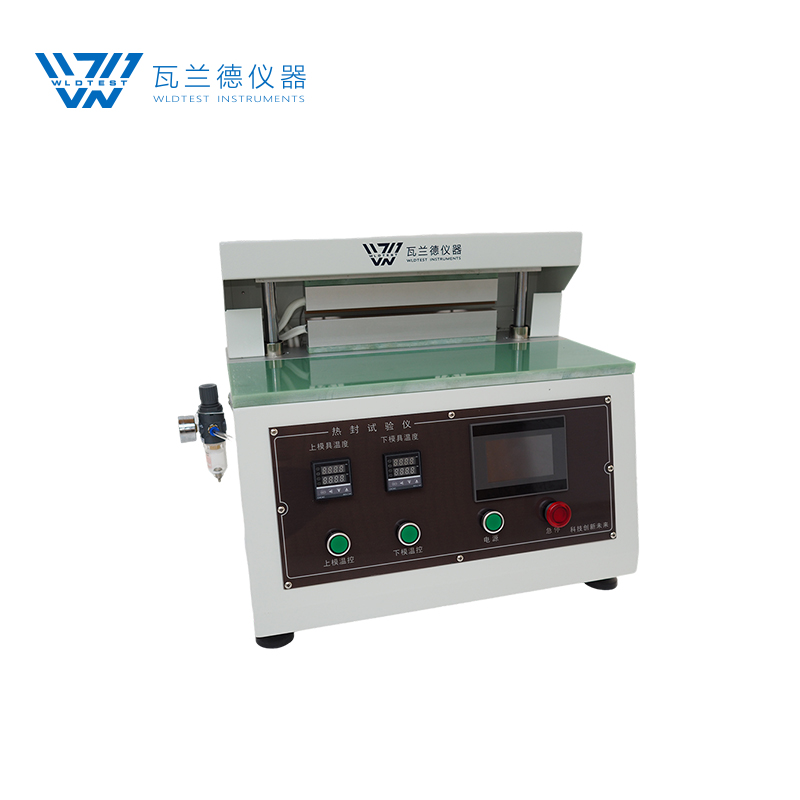
What Is a Heat Seal Tester?
A heat seal tester, also known as a heat seal instrument, employs the heat-press sealing method to simulate the actual sealing process used in packaging production lines. By placing a specimen between upper and lower heated sealing jaws, the instrument applies a predetermined temperature, pressure, and dwell time to create a seal. The sealed sample can then be tested for seal strength, allowing manufacturers to identify the optimal sealing conditions for their specific materials.
The HST-H3 model is widely used in food enterprises, pharmaceutical companies, personal care product manufacturers, and packaging material production facilities. It is considered an essential laboratory instrument for quality control and material development.
How Does the HST-H3 Work?
The HST-H3 operates on the heat-press sealing principle. A test specimen is placed between the upper and lower sealing heads. The instrument then brings the heads together under a controlled pressure, at a set temperature, for a specified duration. Once the sealing cycle is complete, the sealed specimen can be subjected to further testing — such as peel testing or burst testing — to evaluate seal integrity.
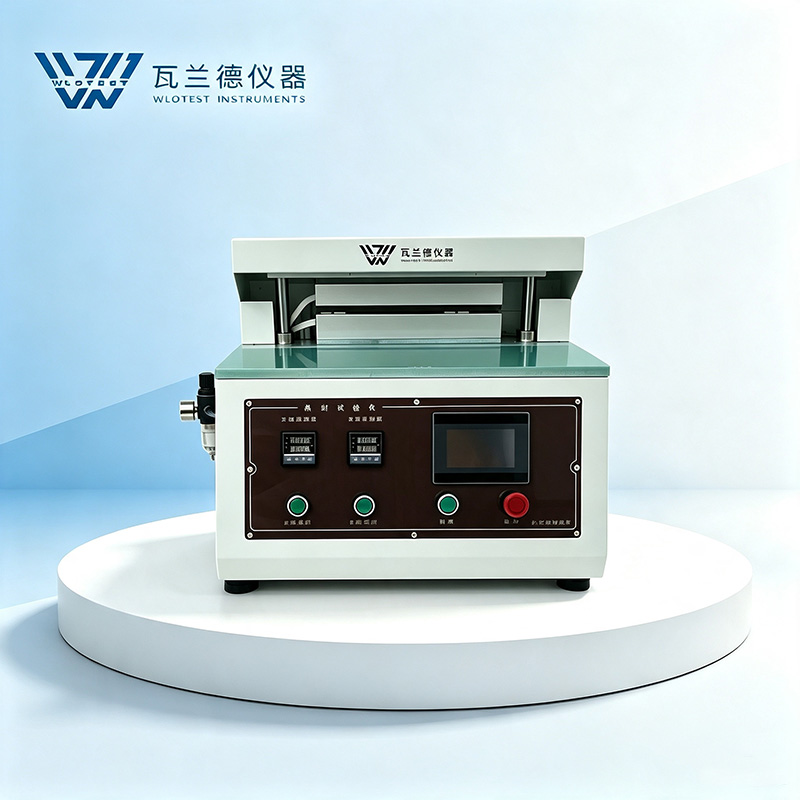
The instrument features independent temperature control for the upper and lower sealing heads, ensuring precise and uniform heating across the sealing surface. The aluminum-encapsulated sealing heads guarantee even heat distribution, which is critical for reproducible results. With a temperature range from ambient to 300°C and a control accuracy of ±0.2°C, the HST-H3 delivers the precision required for rigorous quality assurance programs.
Key Technical Specifications
The HST-H3 offers a comprehensive set of technical parameters that make it suitable for a wide variety of packaging applications:
Sealing Temperature: Ambient ~ 300°C
Temperature Accuracy: ±0.2°C
Sealing Time: 0.1 ~ 999.9 s
Sealing Pressure: 0.05 MPa ~ 0.7 MPa
Sealing Area: 330 mm × 10 mm (customizable)
Heating Method: Dual heating (single heating optional)
The instrument is equipped with a dual-cylinder synchronous circuit that ensures balanced pressure distribution across the sealing area. It also features a large LCD display, micro-computer control, and a built-in micro-printer for convenient test result documentation. Safety is addressed through heat-resistant design and leakage protection.
Applications Across Industries
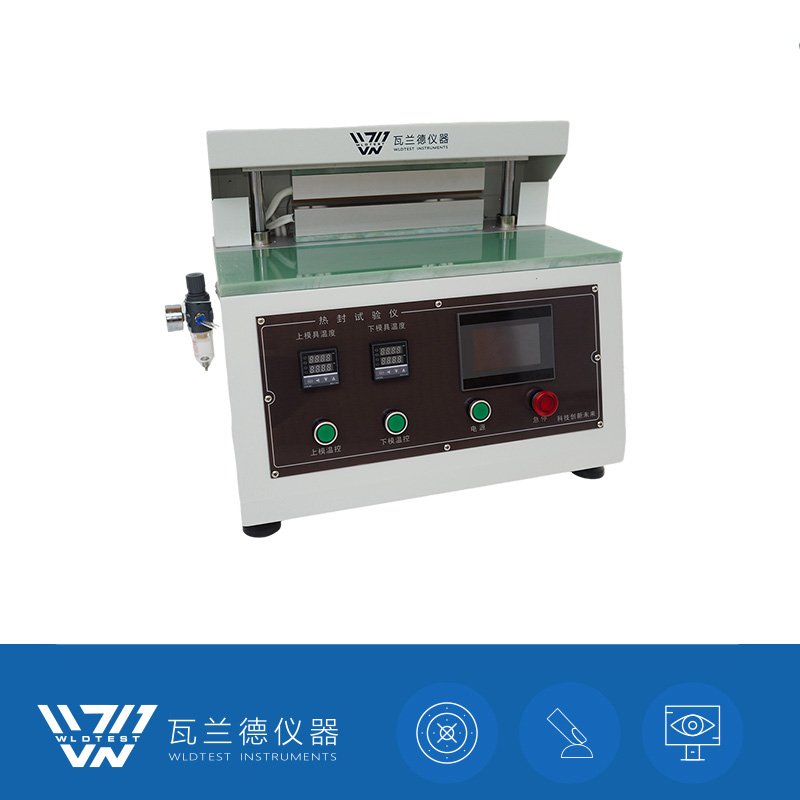
The HST-H3 is designed to accommodate a broad range of sealing applications. In its standard configuration, it handles flat sealing of various film materials, including plastic films, composite films, paper-plastic laminates, co-extruded films, metallized films, aluminum foil, and aluminum foil laminates. The sealing width can be customized based on user requirements, and the sealing surface can be either smooth or patterned.
For specialized applications, the instrument can be equipped with custom tooling. For example, it can seal jelly cup lids by placing the cup into a custom lower sealing head opening, or seal the tails of plastic tubes to transform them into finished packaging containers. This versatility makes the HST-H3 a valuable asset for packaging developers and quality control laboratories alike.