



How a Torque Tester Works: Principles, Features, and Applications in Modern Packaging
2026-08-12 15:48In the world of packaged products, the force required to open or close a cap is far more than a matter of convenience. It is a critical quality parameter that determines product safety, shelf life, and consumer satisfaction. At the heart of closure quality control lies the torque tester — a precision instrument that quantifies rotational force with scientific accuracy.
What Is a Torque Tester?
A torque tester is an instrument designed to measure the rotational force — torque — applied to an object. In packaging applications, a torque tester specifically measures the force required to apply or remove threaded closures such as bottle caps, jar lids, and container seals. Unlike a simple torque meter that provides only a peak reading, a modern digital torque tester captures the complete torque profile throughout the entire opening or closing cycle.
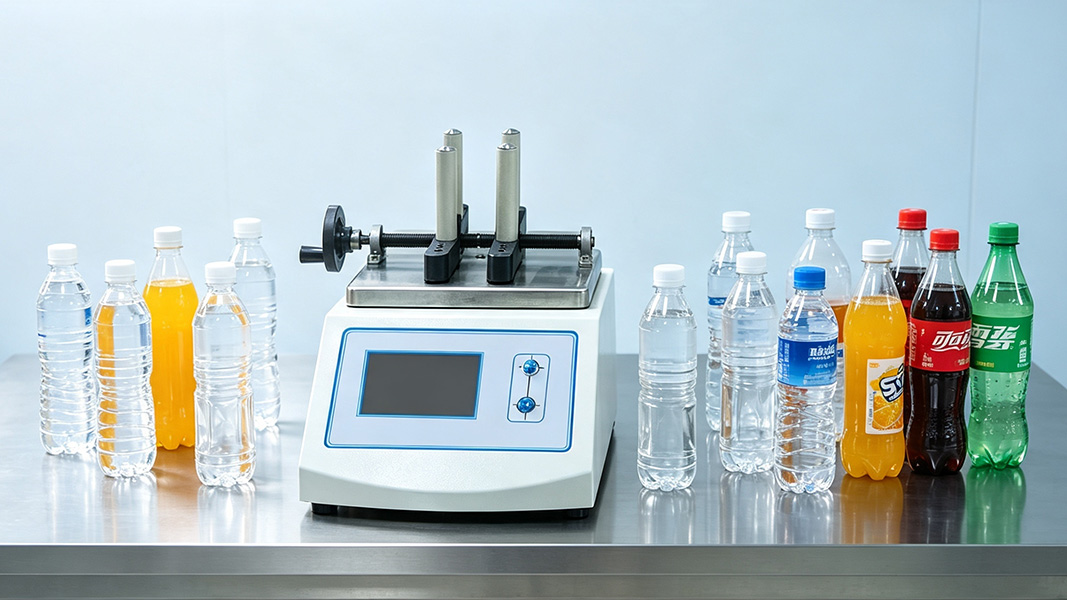
How a Torque Tester Works: The Mechanical Contacting Principle
Every torque tester operates on a straightforward physical principle: when a rotational force is applied to a closure, the sensor measures the resulting torsional stress. The torque tester converts this mechanical input into an electronic output through the following sequence:
1. Sample Clamping: The container body is secured in the torque tester fixture while the cap is gripped by a rotating chuck. Proper clamping is essential for accurate measurement — any slippage compromises the data from the torque measuring instrument.
2. Force Application: The torque tester applies rotational force to the cap at a controlled speed. A quality digital torque tester maintains constant angular velocity to ensure repeatable measurements across samples.
3. Sensor Response: As torque increases, the precision sensor inside the torque tester deforms elastically. The degree of deformation is proportional to the applied force — this is the core transduction mechanism of any torque measuring instrument. The sensor quality directly determines whether a torque tester delivers laboratory-grade precision or merely approximate readings.
4. Signal Processing: The digital torque tester amplifies and digitizes the sensor signal, applying calibration coefficients to convert voltage into engineering units. Advanced torque tester models sample at high frequencies — often thousands of times per second — to capture rapid torque fluctuations.
5. Data Output: The torque tester displays the real-time torque value, records the peak, and optionally generates a complete torque-versus-angle curve. This output distinguishes a true torque tester from a basic torque meter.
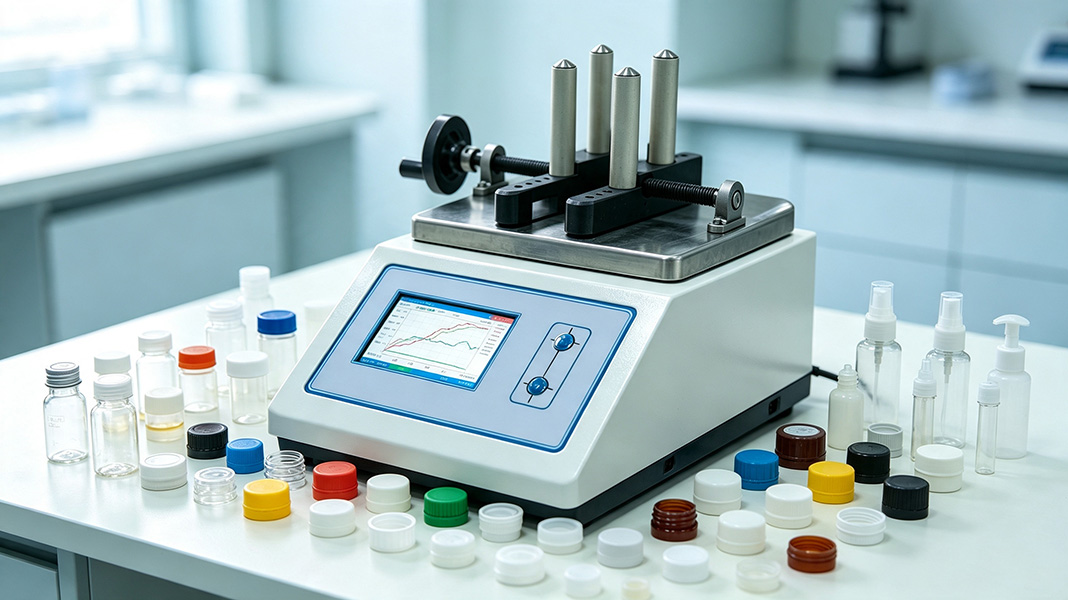
Key Features of a Modern Digital Torque Tester
1. Measurement Range and Resolution
A versatile torque tester must accommodate diverse closure types. The measurement range — typically 0–20 N·m for a bottle cap torque tester — should cover everything from lightweight water bottle caps to heavy-duty industrial closures. Resolution of 0.001 N·m allows the torque measuring instrument to detect the subtlest variations that distinguish an acceptable seal from a borderline one.
2. Accuracy and Calibration
Accuracy of ±0.5% of full scale is the benchmark for a professional torque tester. This level of precision ensures that data from the torque measuring instrument is legally defensible in quality disputes and regulatory audits. Regular calibration using certified reference weights is essential — a torque tester is only as trustworthy as its last calibration. A digital torque tester with built-in calibration verification simplifies this critical maintenance task.
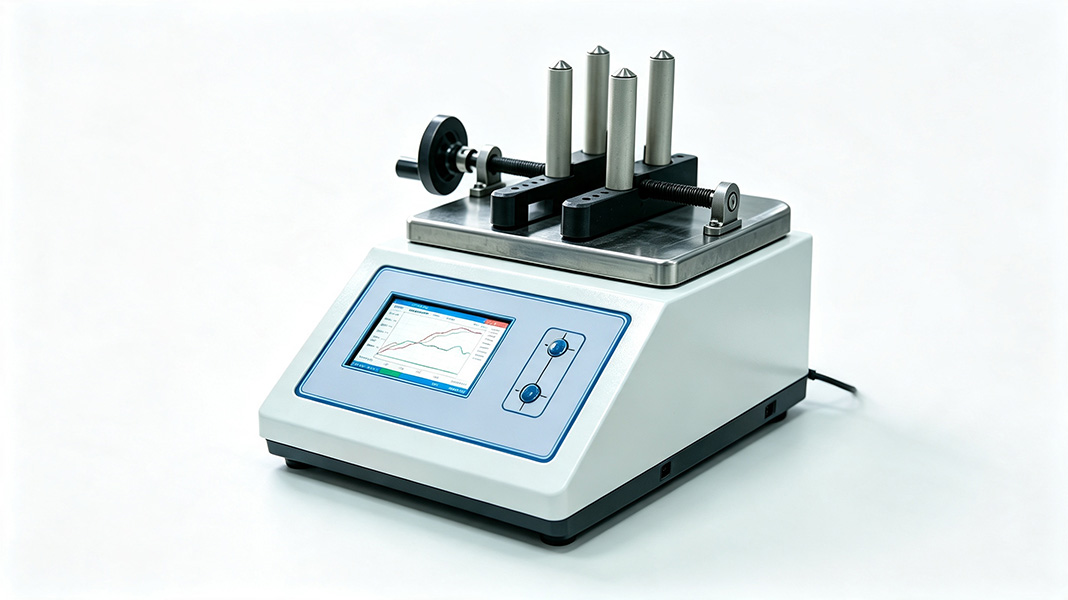
3. Real-Time Torque Curve Display
The torque curve is the most powerful diagnostic tool that a torque tester can provide. A digital torque tester with graphical display reveals the complete mechanical story of closure application and removal. Thread binding, cocked caps, liner adhesion issues, and sealing surface defects all produce characteristic curve signatures that an experienced operator can identify at a glance.
4. Data Management and Connectivity
Internal storage for hundreds of test groups — each with timestamp and operator identification — transforms the digital torque tester into a regulatory compliance tool.
5. Fixture Versatility
A bottle cap torque tester must accommodate the enormous variety of closure designs in commercial use. Adjustable clamping jaws, interchangeable chucks, and customizable fixtures allow a single torque tester to handle caps from 10 mm to 180 mm in diameter.
6. User Management and Security
In regulated industries, data integrity is paramount. A torque tester with multi-level user access control prevents unauthorized changes to calibration settings and test parameters. Audit trail functionality — tracking who performed each test and when — is essential for pharmaceutical and food safety applications.
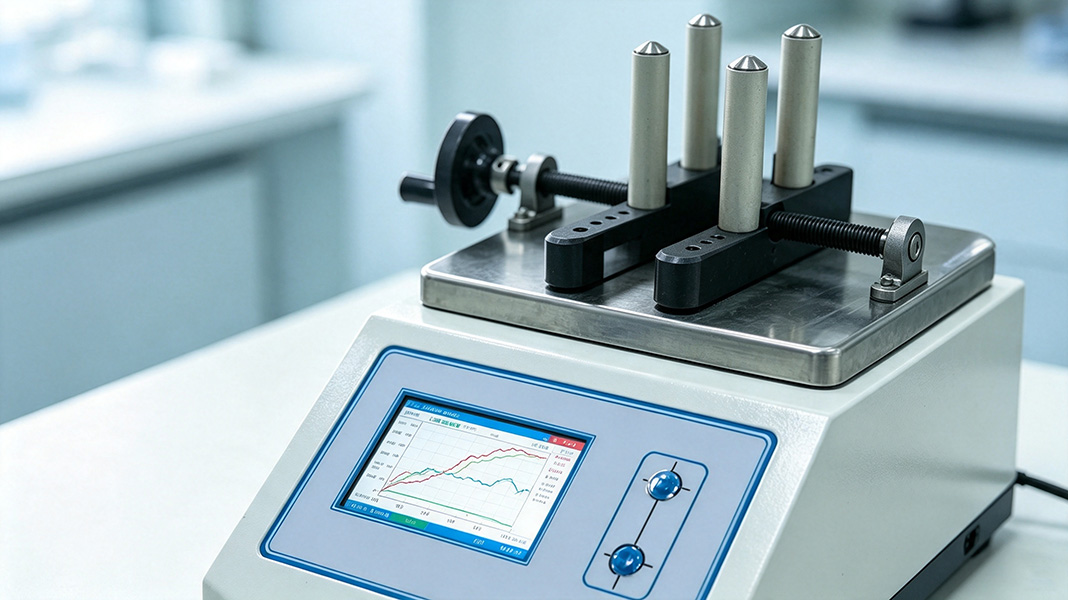
Applications of a Torque Tester Across Industries
The torque tester finds application wherever threaded closures meet packaged products. As a versatile torque measuring instrument, it serves industries with widely varying requirements. From high-speed beverage lines to sterile pharmaceutical suites, the digital torque tester has become an essential quality tool:
1. Beverage Industry
Carbonated soft drinks, bottled water, juices, and alcoholic beverages all depend on consistent closure torque. A bottle cap torque tester on the filling line verifies that every cap is applied within specification — preventing carbonation loss, leakage, and tamper-evidence failures. Many bottling plants deploy a digital torque tester at multiple sampling points to monitor capping head performance across the entire filler. A reliable torque tester is the last line of defense before products ship to consumers.
2. Pharmaceutical Industry
For pharmaceutical manufacturers, a torque tester is not optional — it is a GMP requirement. Medicine bottles, syrup containers, and child-resistant packaging must demonstrate consistent opening and closing torque throughout their shelf life. A validated torque measuring instrument provides the documented evidence that regulatory inspectors demand during audits. The bottle cap torque tester is an essential component of pharmaceutical quality systems. Every torque tester in a GMP environment must be regularly calibrated and its data securely archived.
3. Cosmetics and Personal Care
Premium packaging demands premium quality control. Lotion pumps, cream jars, and trigger sprayers create the consumer's first physical interaction with the product. A digital torque tester ensures that every closure opens with the smooth, controlled resistance that luxury brands require. In this industry, a torque tester protects not just product integrity but brand perception. A torque measuring instrument with high resolution is essential for detecting the subtle torque variations that distinguish premium packaging from ordinary.
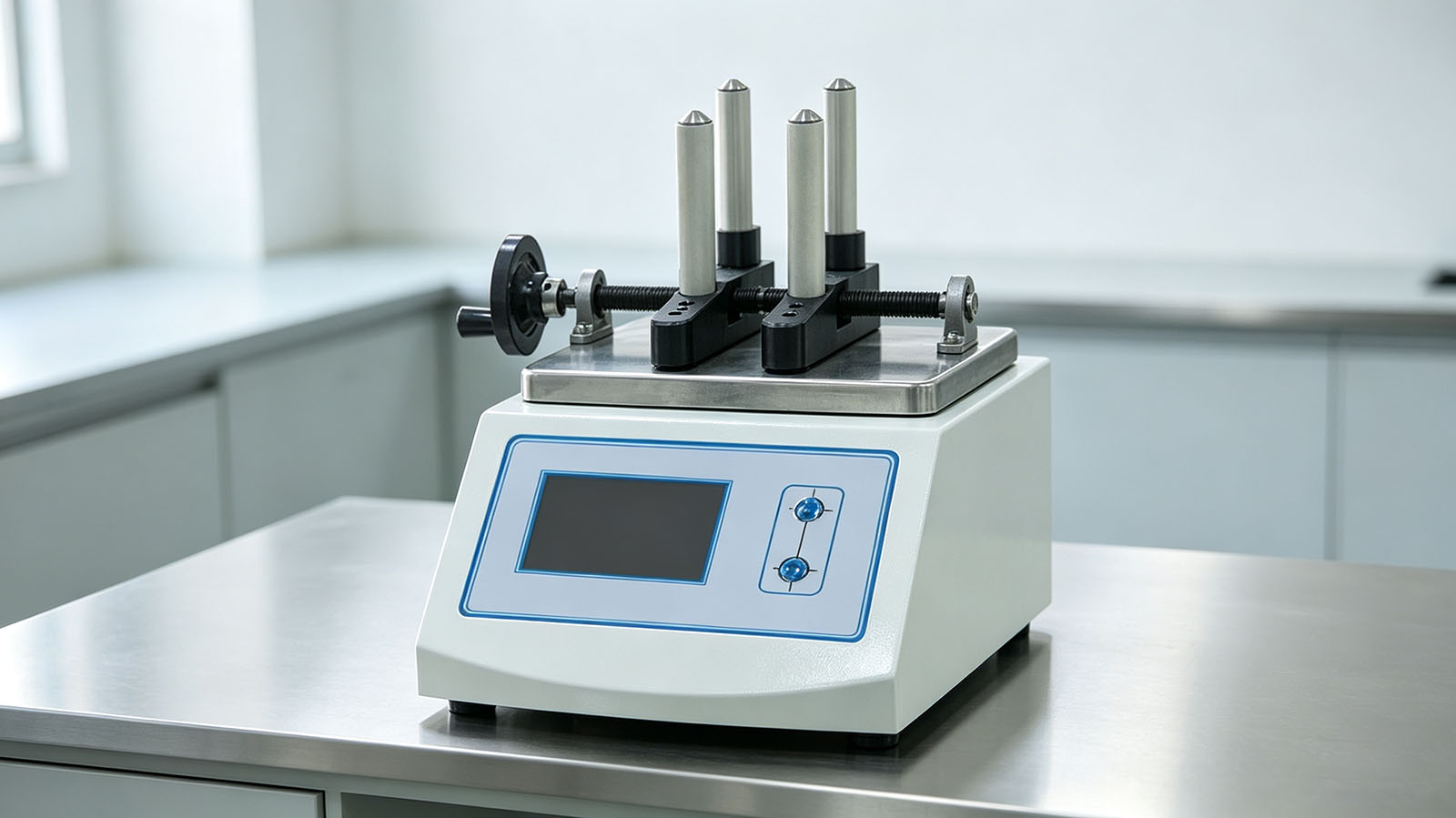
4.Food Packaging
Sauces, condiments, edible oils, and dairy products rely on seal integrity for food safety and shelf life. A torque measuring instrument helps food manufacturers establish and maintain optimal torque specifications across diverse product lines and closure types. For HACCP-based quality systems, a torque tester provides critical control point monitoring. A bottle cap torque tester integrated into the production line enables real-time quality verification without slowing throughput.
5. Chemical and Industrial Products
Reagent bottles, lubricant containers, and agrochemical packaging present unique challenges. Leakage in these applications poses safety and environmental risks that go far beyond product quality. An industrial-grade torque tester with robust construction and overload protection is essential for these demanding environments. The digital torque tester must combine laboratory precision with production-floor durability. For chemical applications, a torque measuring instrument with corrosion-resistant fixtures and sealed electronics is strongly recommended.
6. Medical Device Packaging
Sterile barrier systems, specimen containers, and diagnostic kit packaging all require verified closure integrity. A bottle cap torque tester in the medical device industry ensures that sterile seals remain intact from manufacturing to point of use. The torque measuring instrument provides the validation data required by ISO 13485 and FDA quality system regulations. A validated torque tester is a fundamental requirement for medical device quality management systems.
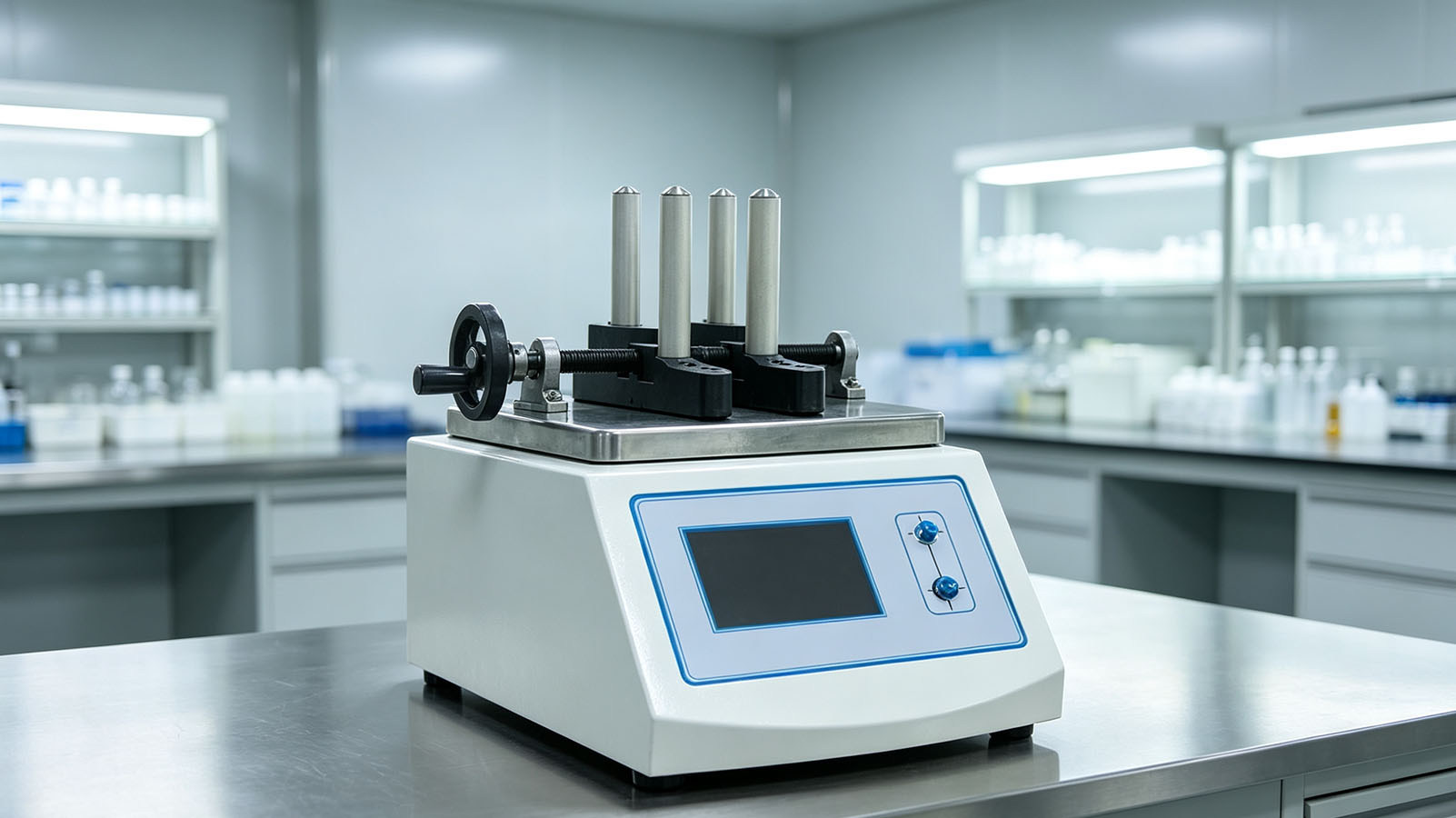
The torque tester is one of the most valuable instruments in the packaging quality toolkit. From its core operating principle — converting mechanical rotational force into precise electronic measurements — to its diverse applications across beverages, pharmaceuticals, cosmetics, food, and industrial products, the torque measuring instrument plays an irreplaceable role in protecting product quality and consumer safety. Every torque tester deployed in a production environment contributes to a culture of data-driven quality.