



Understanding Headspace Gas Analyzers: Principles, Types, and Applications
2026-09-18 17:12Understanding Headspace Gas Analyzers: Principles, Types, and Applications
What Is a Headspace Gas Analyzer?
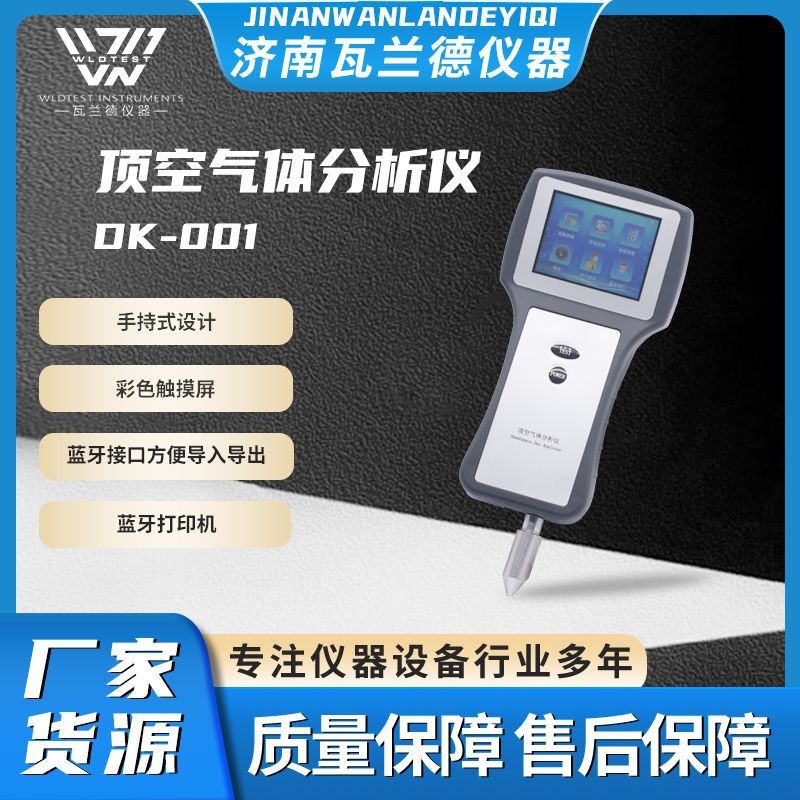
A headspace gas analyzer is a specialized analytical instrument designed to measure the composition of gases contained within the headspace—the empty space above the product inside a sealed package. These devices are essential tools across multiple industries, including food production, pharmaceuticals, and medical device manufacturing, where maintaining specific atmospheric conditions inside a package directly impacts product safety, quality, and shelf life.
In simplest terms, a headspace gas analyzer draws a small sample of gas from inside a sealed container—such as a pouch, bottle, vial, can, or blister pack—and quantifies the concentrations of target gases. The most commonly measured gases are oxygen (O₂) and carbon dioxide (CO₂), though some advanced models can also detect nitrogen (N₂) or other gas mixtures. The data obtained from these measurements helps manufacturers verify that their packaging processes are functioning correctly and that the internal atmosphere meets required specifications.
How Does a Headspace Gas Analyzer Work?
The fundamental operation of a headspace gas analyzer involves three primary stages: sampling, detection, and data output.
Sampling
To analyze the gas inside a sealed package, the instrument uses a hollow needle or probe to pierce the packaging material. A built-in pump then extracts a precise volume of gas from the headspace. In some designs—particularly non-destructive or inline systems—the sampling method may differ, but the core goal remains the same: capturing a representative sample of the internal atmosphere without introducing external contamination.
Detection
Once the gas sample is collected, it passes through one or more sensors. The sensor technology varies depending on the target gas:
Electrochemical sensors are commonly used for oxygen detection. These sensors generate an electrical signal proportional to the oxygen concentration, offering high sensitivity for low-level measurements.
Infrared (IR) sensors are typically employed for carbon dioxide detection. IR sensors measure the absorption of infrared light by CO₂ molecules, providing accurate and stable readings.
Zirconia or paramagnetic sensors may be used in specialized applications requiring extreme precision or high-temperature compatibility.
Modern analyzers often combine multiple sensor types within a single unit, enabling simultaneous measurement of O₂ and CO₂ in one operation.
Data Output
After detection, the instrument converts the sensor signals into digital readings displayed on a screen. Most contemporary devices offer data storage, export capabilities via USB or Ethernet, and compatibility with laboratory information management systems (LIMS).
Key Applications Across Industries
The versatility of headspace gas analysis extends across numerous sectors, each with distinct requirements and regulatory frameworks.
Food Packaging and Modified Atmosphere Packaging (MAP)
One of the most significant applications of headspace gas analysis is in the food industry, particularly with Modified Atmosphere Packaging (MAP). MAP involves replacing the air inside a food package with a controlled gas mixture—typically combinations of nitrogen, carbon dioxide, and low levels of oxygen—to slow microbial growth, delay oxidation, and preserve freshness.
A MAP analyzer is used to verify that the gas mixture inside sealed packages matches the intended specification. For example, a meat product packaged under MAP might require less than 0.5% residual oxygen to prevent discoloration and bacterial spoilage. Similarly, snack foods flushed with nitrogen rely on extremely low oxygen levels to maintain crispness and prevent rancidity. Regular testing with a packaging gas analyzer ensures that packaging machines are delivering the correct gas ratios and that seal integrity is maintained throughout distribution.
Common food applications include:
Meat, poultry, and seafood packaging
Dairy products and cheese
Bakery items and snack foods
Coffee and tea (nitrogen-flushed to preserve aroma)
Fresh produce and ready-to-eat meals
Beverages in bottles and cans
Pharmaceutical and Medical Device Packaging
In the pharmaceutical industry, headspace gas analysis serves a critical role in ensuring product stability and compliance with Good Manufacturing Practice (GMP) standards. Many drug products—especially parenteral medications—are packaged in oxygen-sensitive formats such as glass vials, ampoules, pre-filled syringes, and infusion bags.
A residual oxygen analyzer measures the trace amounts of oxygen remaining inside these containers after sealing. Even minimal oxygen ingress can degrade active pharmaceutical ingredients, reducing efficacy or creating harmful byproducts. Regulatory bodies and pharmacopeias worldwide emphasize the importance of container closure integrity and headspace gas verification as part of stability studies and batch release protocols.
Typical pharmaceutical applications include:
Lyophilized (freeze-dried) products in vials
Ampoule headspace testing
Pre-filled syringe gas analysis
Blister pack integrity verification
Large-volume parenteral solutions
Industrial and Research Use
Beyond food and pharmaceuticals, headspace gas analyzers find use in various industrial quality control and research settings. These include corrosion prevention packaging (where oxygen scavengers are evaluated), electronics packaging (where inert atmospheres protect sensitive components), and academic research on packaging materials and gas permeation.
Why Residual Oxygen Measurement Matters
The measurement of residual oxygen is not merely a technical formality—it has direct implications for consumer safety, product quality, and economic efficiency.
In oxygen-sensitive products, elevated residual oxygen levels can trigger oxidative reactions that lead to off-flavors, color changes, nutrient loss, and microbial proliferation. For pharmaceutical products, oxidation can compromise drug potency and generate degradation compounds that may pose safety risks. From an economic perspective, undetected packaging failures can result in costly recalls, shortened shelf life, and damage to brand reputation.
By implementing routine testing with a reliable packaging gas analyzer, manufacturers can identify process deviations early, optimize gas flushing parameters, validate new packaging materials, and demonstrate compliance with customer specifications and regulatory requirements.
The headspace gas analyzer represents an essential category of quality control instrumentation for any industry where sealed-package atmosphere directly influences product integrity. From verifying gas mixtures in Modified Atmosphere Packaging (MAP) for fresh foods, to measuring trace oxygen in sterile pharmaceutical containers, these devices provide the objective data manufacturers need to maintain consistency, comply with regulations, and protect consumers.
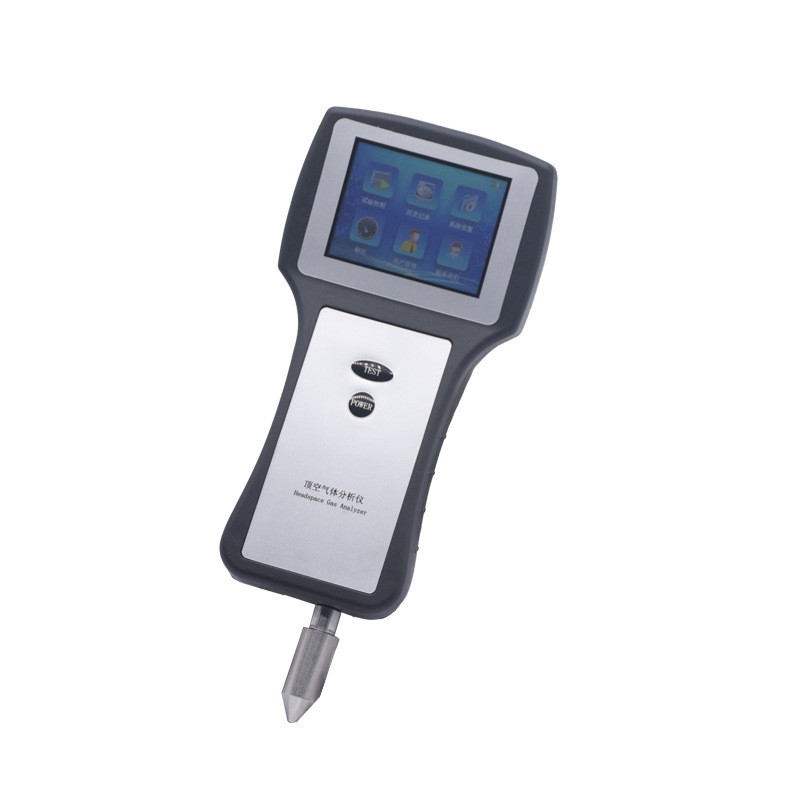
Whether implemented as a handheld headspace analyzer for rapid floor-side checks or as a precision residual oxygen analyzer in a validated laboratory environment, the underlying purpose remains consistent: to reveal the invisible conditions inside sealed packages and transform that information into actionable quality insights. As packaging technologies continue to evolve and regulatory expectations tighten, the role of the packaging gas analyzer in safeguarding product quality will only grow in importance.