



The Suture Diameter Tester: A Complete Guide to Measuring Surgical Thread
2026-09-04 15:52The Suture Diameter Tester: A Complete Guide to Measuring Surgical Thread
A suture diameter tester is a precision instrument used to measure the diameter of surgical sutures under controlled load. In medical device manufacturing, hospital instrument departments, and third-party laboratories, the suture diameter tester is an essential tool for confirming that every thread meets its declared size. This guide explains what a suture diameter tester does, how it works, and why accurate measurement matters.
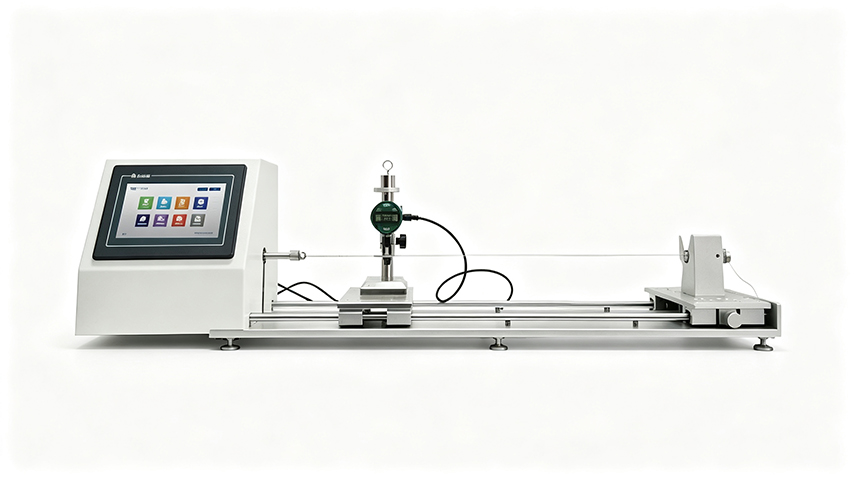
Why Diameter Measurement Matters
Suture diameter is a controlled physical property, not a cosmetic detail. A suture diameter gauge verifies that a thread falls within the range specified for its USP or metric size. When a manufacturer labels a suture as size 3-0, that claim is only meaningful if a suture diameter gauge has confirmed the measured value. The suture diameter gauge therefore plays a central role in batch release and quality control.
Several practical outcomes depend on this measurement. Diameter affects knot security, tissue drag, and how a thread seats against the needle. A suture diameter measuring instrument provides the objective number that supports all of these downstream decisions. Without a reliable suture diameter measuring instrument, quality records would rest on visual inspection alone, which is neither repeatable nor defensible in a regulated environment.

How the Instrument Works
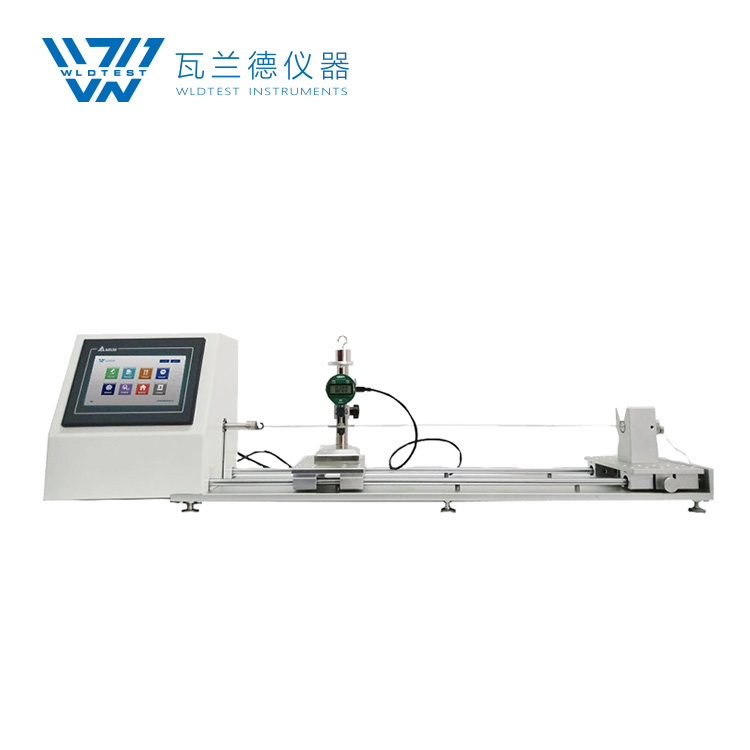
Most instruments operate on a direct contact principle. The suture is placed between a reference anvil and a presser foot of known dimensions, and a controlled load is applied. A suture thread diameter tester then reads the distance between the two surfaces from a high-resolution indicator, typically resolving to 0.001 mm. Tension weights in the range of 30 g to 50 g keep the thread straight before the reading is taken.
This combination of controlled load and controlled geometry is what allows a suture thread diameter tester to produce stable results. A surgical suture diameter tester applies the same principle to the full range of materials used in surgery, from stiff non-absorbable threads to softer absorbable ones. The consistency of the surgical suture diameter tester is what reduces operator-to-operator variation.
Absorbable and Non-Absorbable Materials
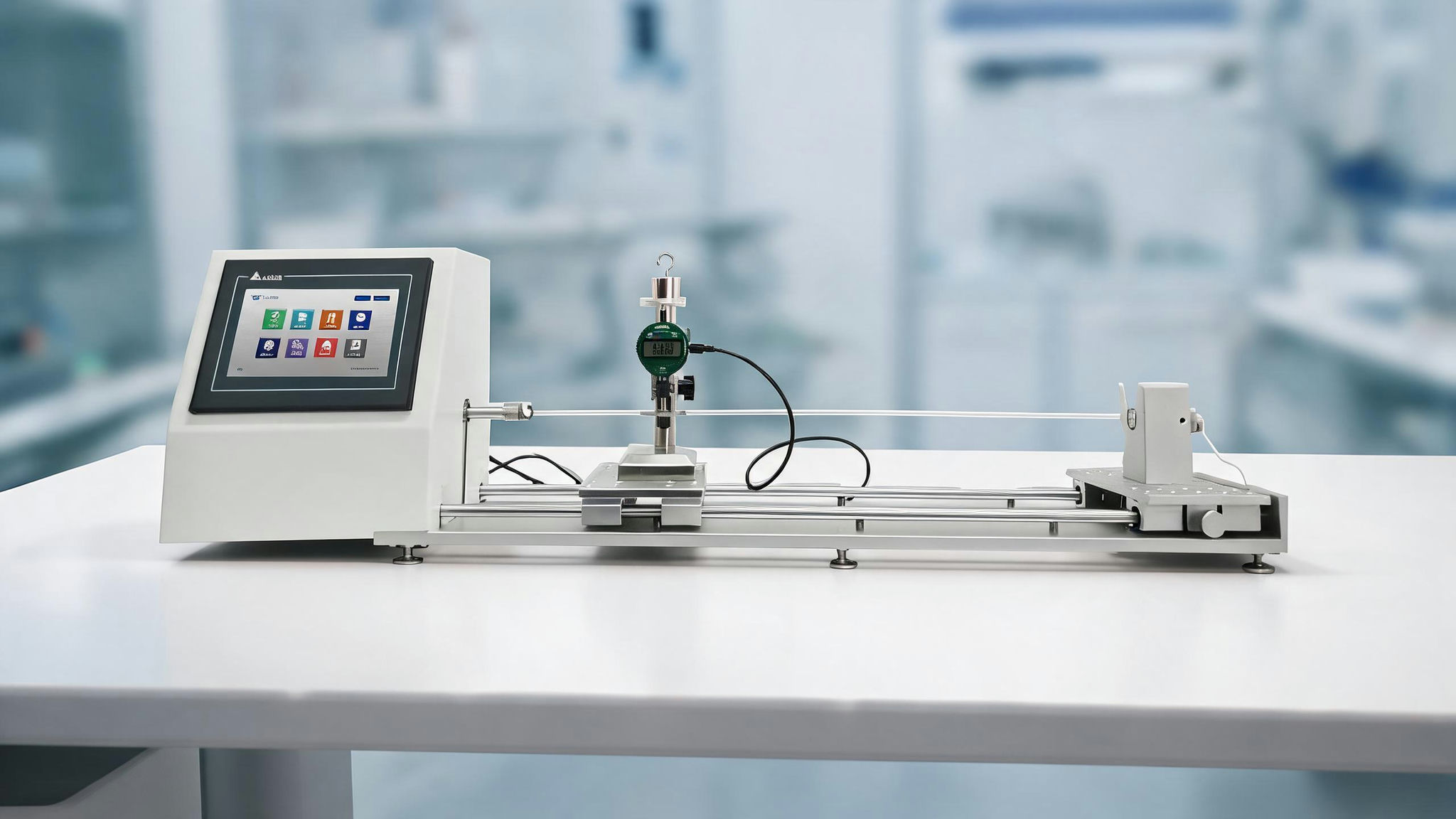
A suture diameter tester must handle a wide range of materials. Silk, nylon, polyester, and polypropylene are non-absorbable and relatively stiff, making them easy to measure. Absorbable materials such as catgut, polyglactin, and polydioxanone are softer and more sensitive to humidity and temperature. For these materials, the suture diameter tester must apply a consistent load and dwell time to avoid compressing the thread differently between tests.
Laboratories standardize these parameters precisely because different materials respond differently to the same force. A well-designed suture diameter gauge makes the tension weight and dwell time explicit, so that a suture diameter gauge used in one facility produces results comparable to a suture diameter gauge used in another.
Standards and Compliance
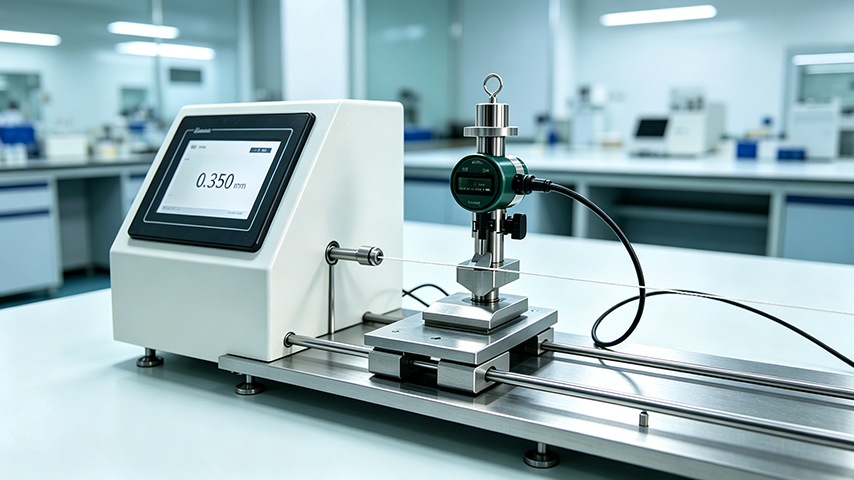
The value of any suture diameter measuring instrument depends on the standard against which it is judged. Internationally, the United States Pharmacopeia and the European Pharmacopoeia provide comparable monographs. A suture diameter measuring instrument that supports these standards is more useful than one that only reports a raw number.
For manufacturers serving global markets, the ability to select a nominal size, apply the correct load, and compare the result against a standard range turns a simple suture diameter tester into a compliance tool. This is why buyers evaluating a suture diameter tester often ask which standards the equipment supports before making a decision.
Typical Measurement Procedure
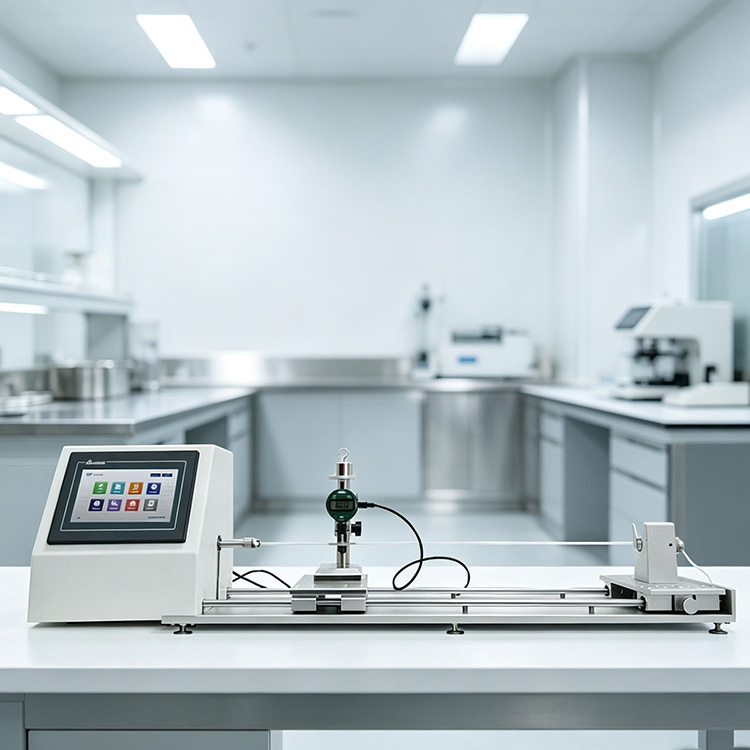
A complete cycle is usually short, which is why the suture diameter tester fits well into batch inspection workflows. The operator selects the nominal specification and test load, places the suture across the reference surface, and lowers the presser foot. The suture diameter tester then displays the result on a touchscreen and can store or print a series of readings, including the average and deviation.
This data-recording capability matters for traceability. In a regulated environment, a record must show which instrument was used, which operator performed the test, and what the individual readings were. A suture diameter measuring instrument with built-in data output makes this documentation straightforward, turning the suture diameter measuring instrument into part of the quality system rather than a standalone gadget.
Calibration and Routine Care
Like any precision tool, a suture diameter gauge requires periodic calibration. The flatness and parallelism of the presser foot and reference surface are critical, and even small deviations can bias the result. Routine care for a suture diameter gauge is simple: keep the contact surfaces clean, store the instrument in a stable environment, and verify the indicator against a reference standard at scheduled intervals.
Because a suture thread diameter tester is used repeatedly in production, durability is also important. The frame and contact surfaces of a suture thread diameter tester should resist wear over thousands of cycles. These practical factors are often more important to a daily user than any single specification on a data sheet.
The suture diameter tester occupies a specific but essential place in medical device quality control. A surgical suture diameter tester converts a critical physical property into a repeatable, documented measurement, allowing manufacturers to confirm that every suture meets its declared size. Whether the material is absorbable or non-absorbable, and whether the governing standard is YY1116, YY0167, USP, or EP, the underlying need is the same: a controlled load, a precise indicator, and a procedure that produces consistent results. For anyone responsible for suture quality, understanding how the suture diameter tester works is the first step toward using it well.