



Understanding Polariscope Technology
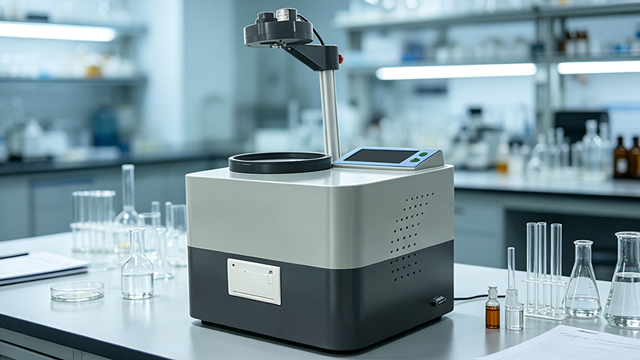
2026-08-24 16:25In the world of quality control and materials science, ensuring the structural integrity of transparent materials—particularly glass—is paramount. This is where Polariscope technology plays a crucial role. A Polariscope is an optical instrument that uses polarized light to detect and measure internal stresses in transparent and translucent materials. By revealing stress patterns invisible to the naked eye, this technology has become indispensable across multiple industries, from pharmaceutical packaging to food and beverage containers.
How Does a Polariscope Work?
The fundamental principle behind a Polarized Light Stress Tester relies on the phenomenon of birefringence. When transparent materials such as glass undergo manufacturing processes like molding, annealing, or cooling, internal stresses develop within their molecular structure. These stresses cause the material to become optically anisotropic, meaning light travels through it at different speeds depending on the direction of polarization.
If the specimen contains internal stresses, the polarized light undergoes a phase shift proportional to the magnitude of those stresses.
Key Applications Across Industries
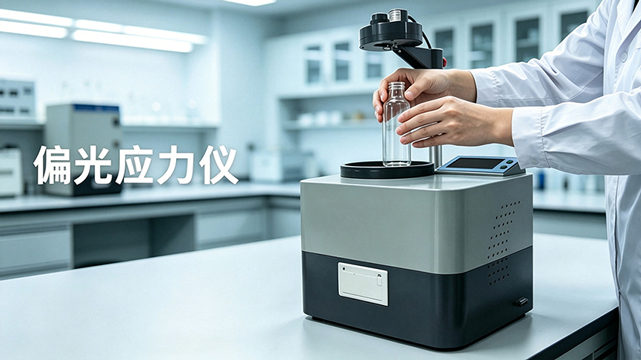
One of the most critical applications of Glass Bottle Stress Tester equipment is in the production of glass containers. Every glass bottle, jar, or vial undergoes thermal processing during manufacturing. Improper annealing can leave residual stresses that compromise the bottle's strength and safety. A Polariscope allows manufacturers to:
Verify the effectiveness of the annealing process
Identify stress concentration points that could lead to breakage
Ensure compliance with international quality standards
Reduce product rejection rates and minimize waste
Pharmaceutical Packaging
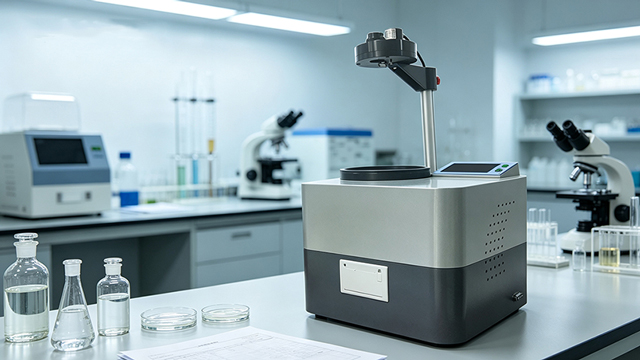
The pharmaceutical industry has particularly stringent requirements for glass packaging. Vials, ampoules, and syringes must maintain their integrity under various storage and transportation conditions. Photoelastic Stress Analyzer systems enable pharmaceutical manufacturers to detect microscopic stress patterns that could lead to catastrophic failure during sterilization, filling, or shipping. This is especially important for products requiring high-pressure sterilization or cryogenic storage.
Quality Control in Food and Beverage
Glass containers for food and beverages face unique challenges, including thermal shock from hot-filling processes and mechanical stress from capping operations. A Polarized Light Stress Tester helps manufacturers ensure that their containers can withstand these stresses without compromising product safety or shelf life.
Industry Standards and Compliance
International standards organizations have established specific guidelines for stress testing in glass manufacturing. A CE Certified Polariscope ensures compliance with European safety and quality requirements, while systems meeting ASTM standards satisfy North American regulatory frameworks. Common standards include:
ASTM C148: Standard Specification for Soda-Lime Silicate Glass Containers
ISO 7458: Glass bottles—Internal pressure resistance
USP <660>: Containers—Glass
Manufacturers using a Photoelastic Stress Analyzer that complies with these standards can demonstrate due diligence in quality control and reduce liability risks.
Selecting the Right Polariscope for Your Needs
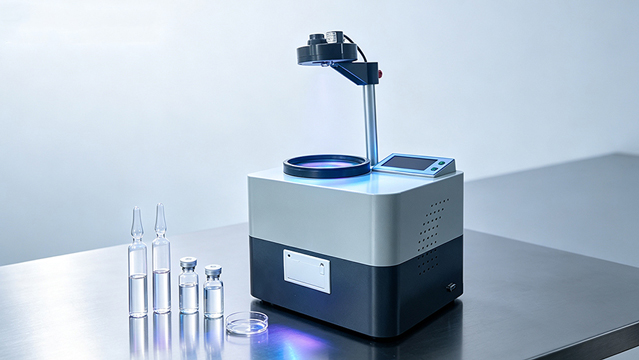
Choosing the appropriate Polariscope system depends on several factors:
Production Volume: High-volume manufacturers benefit from automatic systems with integrated data logging, while smaller operations may find manual or semi-automatic systems more economical.
Material Types: Different transparent materials exhibit varying degrees of birefringence. Ensure your Birefringence Tester is calibrated for your specific material, whether soda-lime glass, borosilicate, or certain plastics.
Precision Requirements: Research and development applications may require high-resolution Polariscope systems capable of detecting subtle stress variations, while routine quality control may only need basic pass/fail capability.
Regulatory Environment: Industries such as pharmaceuticals and food packaging often require documented inspection records. Digital Polariscope systems with audit trail capabilities simplify compliance with FDA, EMA, or other regulatory requirements.
Maintenance and Calibration
Like any precision optical instrument, a Polariscope requires regular maintenance to ensure accurate measurements. Key maintenance practices include:
Cleaning optical components with appropriate lens cleaning solutions
Verifying polarizer and analyzer alignment periodically
Calibrating against known stress standards or reference samples
Inspecting light sources for intensity degradation
Updating software and firmware for digital systems
Proper maintenance extends the lifespan of your Glass Bottle Stress Tester and ensures consistent, reliable results throughout its operational life.
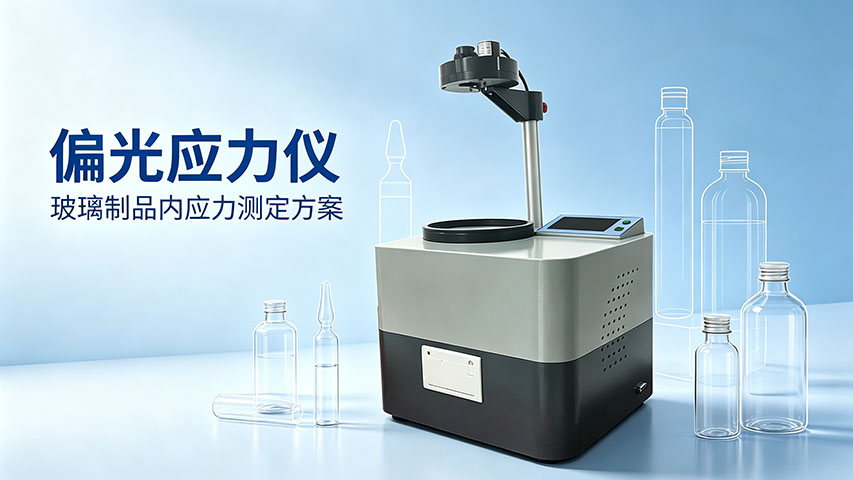
The Polariscope remains an essential tool for ensuring the quality and safety of glass and transparent materials across numerous industries. Whether you need a basic manual system for occasional inspections or a fully automated Photoelastic Stress Analyzer for continuous production monitoring, understanding the principles and capabilities of this technology enables informed decision-making. By investing in the right Birefringence Tester for your specific application, manufacturers can reduce defects, improve product reliability, and maintain compliance with evolving quality standards.
As manufacturing processes become more sophisticated and regulatory requirements more stringent, the role of the Polariscope in quality assurance will only continue to grow. Staying informed about the latest developments in stress analysis technology ensures that your organization remains competitive and compliant in an increasingly demanding global marketplace.