



Understanding Condom Leak Testing: Principles, Methods, and Equipment
2026-09-23 17:29Understanding Condom Leak Testing: Principles, Methods, and Equipment
Quality control in condom manufacturing represents one of the most critical aspects of public health protection. As a barrier device designed to prevent pregnancy and reduce the transmission of sexually transmitted infections, a condom must maintain complete structural integrity throughout its shelf life and during use. The presence of microscopic pinholes, invisible to the naked eye, can compromise this protective function entirely. This article explores the science behind condom leak detection, examining the methodologies, equipment, and standards that manufacturers and testing laboratories rely on to ensure product safety.
Why Leak Testing Matters for Condom Quality
The fundamental purpose of a condom is to serve as a reliable physical barrier. Natural rubber latex, the primary material used in male condoms, is processed into extremely thin films—typically measuring between 0.04 mm and 0.08 mm in thickness. During manufacturing, which involves dipping glass formers into compounded latex, curing the material, and applying lubricants, various factors can introduce microscopic defects.
These defects, often referred to as pinholes, may result from air bubbles in the latex compound, contamination on the glass former, imperfect coagulation, or mechanical damage during the stripping and packaging processes. A single pinhole with a diameter as small as 0.1 mm can permit the passage of bodily fluids or microorganisms, rendering the condom ineffective as a protective device.
Regulatory bodies worldwide mandate rigorous testing protocols to identify defective units before they reach consumers. The consequences of inadequate testing extend beyond individual product failure—systematic quality lapses can lead to public health crises, product recalls, and significant liability for manufacturers. Consequently, investment in reliable detection equipment, such as a Condom Leak Tester, forms an essential component of any responsible production workflow.
Electrical Leak Detection
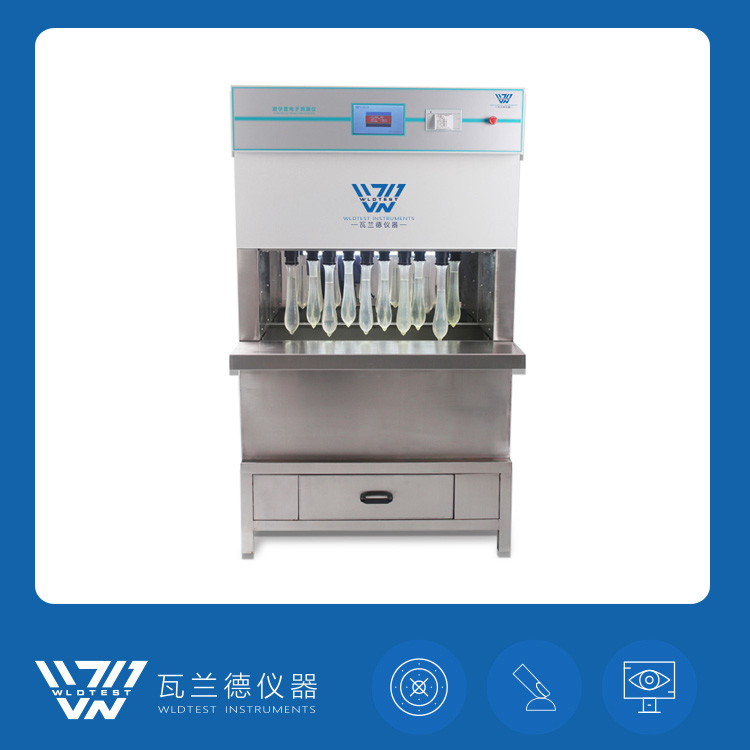
Electrical leak detection represents a more recent technological advancement that offers superior sensitivity and objectivity compared to visual methods. A Condom Electrical Leak Test Machine operates on a fundamentally different principle, utilizing the conductive properties of liquids to identify breaches that may be too small for visual detection.
In this method, the condom is mounted on a test fixture and filled with an electrolyte solution—commonly saline or a similar conductive fluid. Electrodes are positioned to establish an electrical circuit through the liquid inside the condom. Under normal conditions, with an intact latex barrier, the circuit remains open and no current flows. However, if a pinhole exists, the conductive solution bridges the gap between the interior and exterior electrodes, completing the circuit and generating a measurable current.
The sensitivity of a Condom Electrical Leak Test Machine can be precisely calibrated through control of voltage, resistance, and detection thresholds. Typical systems operate at low DC voltages around 10 volts with precision resistors of approximately 10 kΩ, ensuring safe operation while maintaining the ability to detect extremely small defects. The non-destructive nature of electrical testing is particularly valuable, as it allows for 100% inspection of production lots without consuming samples that might otherwise be suitable for sale.
Many advanced systems combine both water leakage and electrical detection capabilities within a single platform. This dual-mode approach enables manufacturers to perform preliminary electrical screening for rapid defect identification, followed by visual water testing for confirmation of borderline cases or compliance with specific regulatory requirements.
Key Equipment Features and Technical Specifications
Professional-grade testing equipment designed for condom quality assurance incorporates numerous engineering features to ensure accuracy, repeatability, and operational efficiency.
Multi-Station Configuration: Industrial systems typically offer between 4 and 16 test stations, with 10-station configurations being particularly common. This parallel processing capability enables simultaneous testing of multiple units, dramatically increasing throughput compared to single-station manual methods.
Automated Fluid Handling: Precision pumps and volumetric controls ensure that each test specimen receives exactly the required quantity of test fluid—whether 200 ml, 300 ml, or another specified volume. Temperature control systems maintain test fluids within the standard-mandated range of 0°C to 40°C, as latex permeability and fluid viscosity vary with temperature.
Programmable Test Sequences: Modern testers allow operators to configure test parameters including fill volume, soak time, detection sensitivity, and acceptance criteria. This flexibility enables a single piece of equipment to accommodate different product specifications, regional standards, and internal quality protocols.
Data Recording and Traceability: Integrated control systems automatically log test results for each individual unit, typically identified by batch number or serial number. This data supports statistical process control initiatives, regulatory reporting requirements, and traceability in the event of customer complaints or recalls.
International Standards and Compliance
Condom testing is among the most standardized activities in the medical device industry, reflecting the global nature of both manufacturing and public health concerns.
ISO 4074: The International Organization for Standardization publishes ISO 4074, "Natural rubber latex male condoms — Requirements and test methods," which specifies the complete suite of tests that condoms must undergo. The standard includes detailed protocols for dimensions, bursting volume and pressure, package integrity, and—critically for this discussion—freedom from holes. ISO 4074:2015 represents the current edition, and compliance with this standard is expected or required in most international markets.
Sampling Requirements: Rather than testing every individual condom, standards typically mandate acceptance sampling plans based on ISO 2859-1 (equivalent to ANSI/ASQ Z1.4). For a production batch containing between 150,001 and 500,000 units, a minimum sample of 315 condoms is required for full testing, with larger sample sizes providing greater statistical confidence.
Applications Beyond Condom Manufacturing
While condoms represent the most prominent application, the underlying detection technologies are broadly applicable to any product requiring verification of seal integrity.
Medical Gloves: Surgical and examination gloves manufactured from natural rubber latex, nitrile, or other elastomers undergo similar pinhole testing. The same Condom Pinhole Detector principles apply, with equipment often adaptable through modified test fixtures to accommodate glove geometries.
Pharmaceutical Packaging: IV bags, infusion containers, and sealed medication pouches require assurance against microbial ingress or fluid egress. Electrical leak detection methods, adapted for the specific container configuration, provide rapid and sensitive validation.
Industrial Seals: O-rings, gaskets, and diaphragms used in chemical processing, automotive, and aerospace applications benefit from the same sensitive detection capabilities that identify condom pinholes.
The versatility of a Condom Integrity Tester highlights the broader significance of leak detection technology across multiple industrial sectors. Manufacturers who invest in high-quality testing platforms often discover that the same equipment, with minor adaptations, can service multiple product lines.
The science of condom leak testing has evolved significantly from simple visual inspection to sophisticated automated systems capable of detecting defects measured in fractions of a millimeter. Whether employing a Condom Leak Tester for routine production screening, a Condom Water Leakage Tester for compliance verification, or a Condom Electrical Leak Test Machine for high-sensitivity research applications, the underlying objective remains constant: ensuring that every unit delivered to consumers performs its critical protective function without failure.