



Leak and Seal Strength Tester: A Comprehensive Overview for Package Integrity Testing
2026-08-19 14:19In the realm of packaging quality control, the leak and seal strength tester stands as an indispensable instrument for quantifying the hermetic performance and mechanical robustness of various packaging forms. From flexible pouches and rigid bottles to blister packs and medical device packaging, this equipment provides objective, repeatable data that underpins product safety, shelf life, and regulatory compliance. This article offers a technical exploration of the instrument’s operating principles, test modes, application fields, and the international standards it serves, with a focus on the precise terminology used by industry professionals.
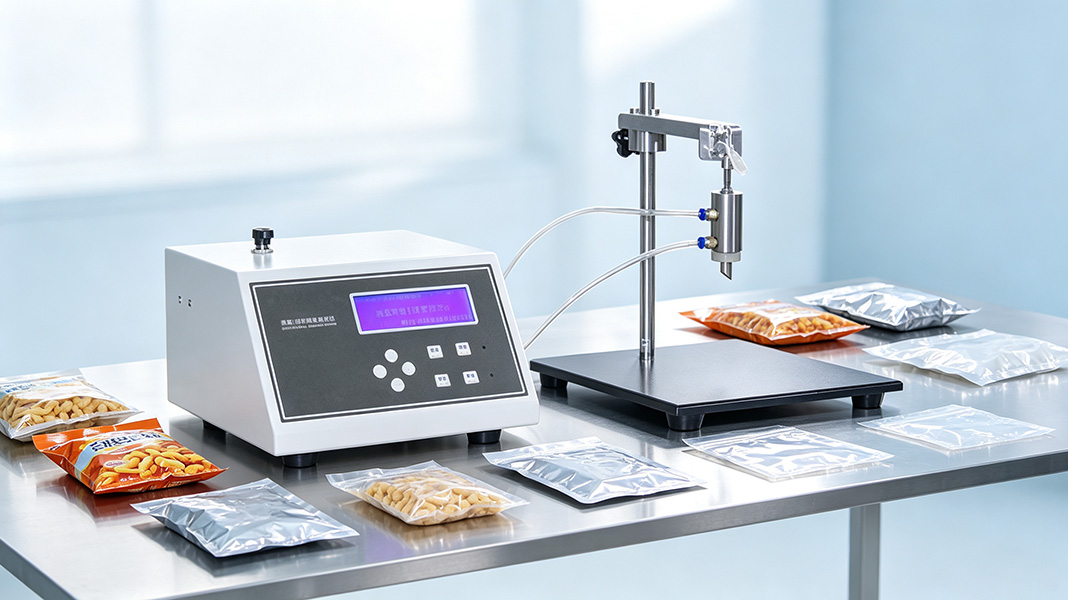
1. Core Testing Principles: Positive Pressure vs. Vacuum Decay
The fundamental measurement philosophy of a leak tester revolves around two primary approaches: positive pressure and vacuum (or negative pressure) methods.
Positive Pressure Method
A positive pressure tester operates by introducing a controlled volume of compressed air into the test specimen—be it a sealed pouch, a bottle with a closure, or a formed tray. The internal pressure is raised to a predetermined level, and a high-precision pressure transducer monitors any decay over time. If the pressure drops beyond a defined threshold, the package is deemed leaking. In burst mode, the instrument continues to pressurize until the package ruptures or the seal fails, capturing the maximum withstandable pressure. This method closely simulates real-world stresses such as internal gas generation, altitude changes, or mechanical handling.
Vacuum (Negative Pressure) Method
A vacuum leak tester – often referred to as a non-destructive vacuum leak detector – subjects the package to a controlled vacuum environment. In the submerged bubble technique, the specimen is immersed in water, and vacuum application causes internal air to escape through any defect, producing visible bubbles. More advanced versions use pressure decay or vacuum decay sensors to detect minute pressure changes without liquid immersion, offering a non-destructive, clean option suitable for sterile products. This approach is particularly valued for pharmaceutical and medical applications where sample integrity must be preserved after testing.
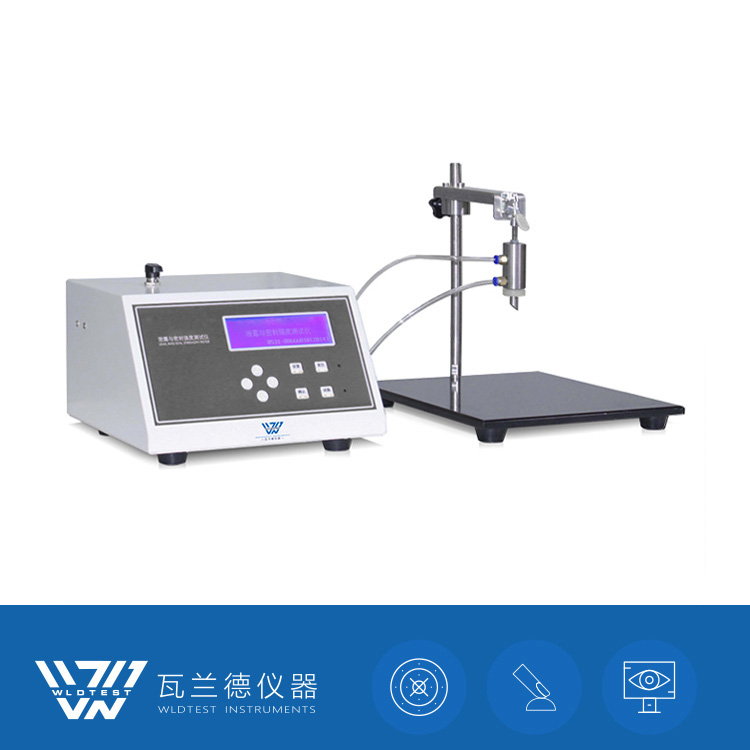
2. Test Modes: Beyond Simple Pass/Fail
Modern seal strength testers offer a suite of test modes that go far beyond a simple go/no-go judgement, allowing engineers to characterise packaging performance under varying stress conditions.
Burst Test (Bursting Strength Test)
In a burst tester mode, the instrument continuously increases internal pressure until the seal or the packaging material fails. The result is the burst pressure – the maximum pressure the package can sustain. This is a critical parameter for flexible packages that may experience internal overpressure during transportation or storage.
Creep Test
The creep tester function evaluates seal integrity under sustained pressure. The package is pressurised to a specified level (typically below its burst threshold) and held for a defined dwell time. If the pressure remains stable, the seal passes; if it drops by more than a set limit, the seal is considered inadequate. This mode is highly sensitive to slow leaks or gradual seal deformation.
Creep-to-Failure Test
An extension of the creep test, this mode applies a higher constant pressure and records the time elapsed until seal failure. The longer the dwell time, the better the seal’s long-term reliability under continuous stress.
Hold Test
A simplified variant where a fixed pressure is applied and held for a short period to detect immediate gross leaks.
These complementary modes enable a comprehensive assessment of seal quality, from instantaneous strength to long-term durability, making the seal integrity tester a versatile tool for R&D, production, and quality assurance laboratories.
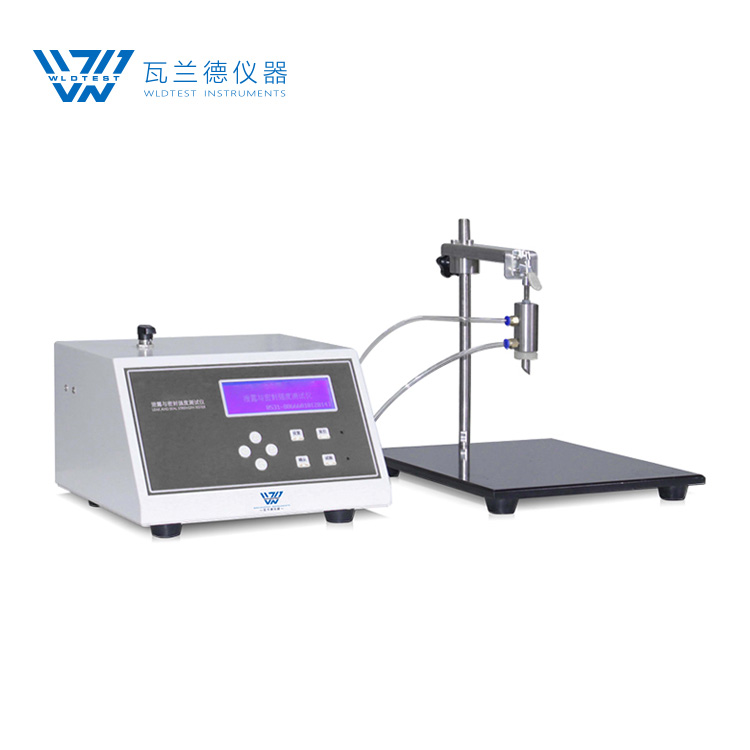
3. Industry Applications: Where the Tester is Essential
The package leak tester finds application across a broad spectrum of industries, each with unique requirements and regulatory expectations.
Food and Beverage Industry
As a food packaging tester, it evaluates heat seals on snack pouches, vacuum bags, and stand-up pouches, ensuring that the seal strength is sufficient to prevent oxygen and moisture ingress, which would compromise freshness and shelf life. It also tests screw caps on bottles and containers – a function often integrated with a bottle seal tester – to verify closure tightness and prevent leakage during distribution.
Pharmaceutical and Medical Device Sector
The pharmaceutical leak tester plays a critical role in ensuring the sterility and stability of drug products. Blister packs, vials, pre-filled syringes, and infusion bags must undergo rigorous seal integrity verification to meet stringent guidelines such as ISO 11607 and FDA requirements. For blisters, a seal integrity tester for blister packs is commonly employed to detect micro-leaks that could compromise the protective atmosphere. Medical device packaging, such as sterile barrier systems, relies on a medical device leak tester to confirm that the seal prevents microbial ingress.
Cosmetics and Personal Care
Flexible tubes, lotion pumps, and crimped closures are tested using a flexible packaging tester to ensure they withstand squeezing and pressure changes without leaking.
Other Industrial Sectors
Automotive components, electronic enclosures, and even stationery items often require leak testing to guarantee functionality and customer satisfaction.
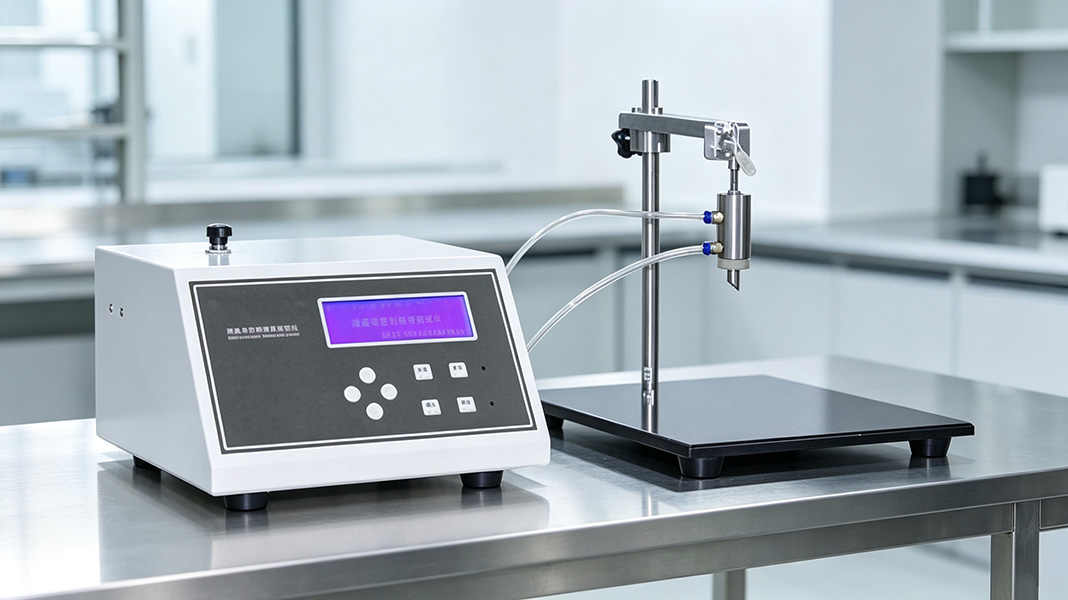
4. Standards Compliance: A Framework for Quality
Globally recognised standards provide the benchmark for both instrument performance and testing procedures. A reliable lab air leakage testing machine or digital seal strength tester for packaging must be capable of performing tests in accordance with the following key standards:
ISO 11607-1 & -2 – Packaging for terminally sterilised medical devices.
ASTM F1140 – Internal pressurisation failure resistance of flexible packaging.
ASTM F2054 – Burst testing of flexible seals under constrained conditions.
ASTM F2095 – Pressure decay leak test for non-porous packaging.
ASTM F2096 – Bubble emission test for gross leaks.
ASTM D3078 – Bubble leak testing of flexible packaging.
Adherence to these standards ensures that test results are reproducible, defensible, and accepted by regulatory authorities worldwide.
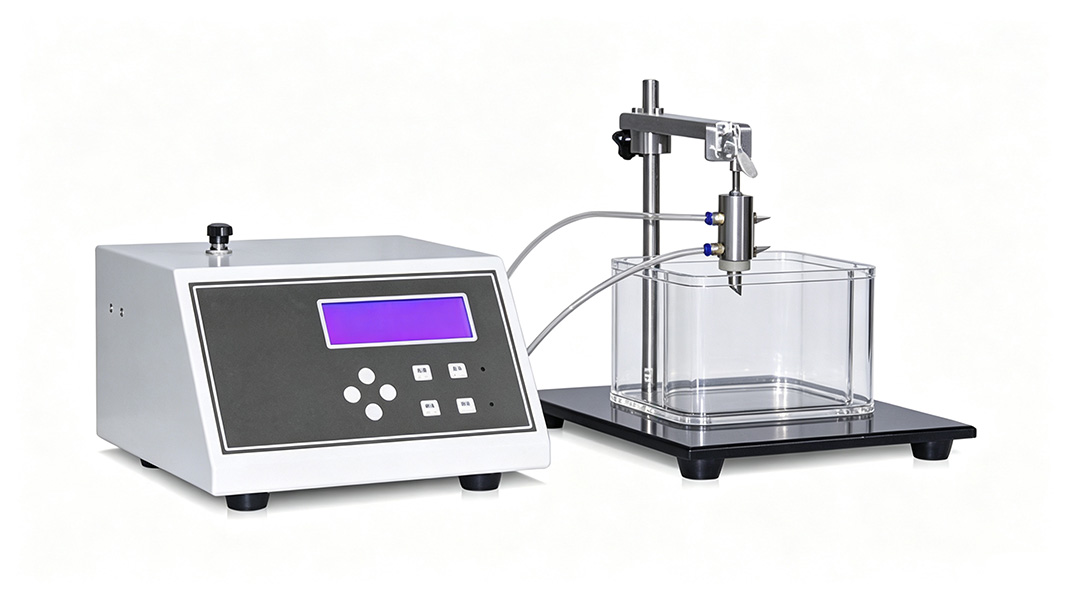
5. Technical Features of a Modern Tester
Contemporary leak and seal strength testers are designed with advanced control and data management capabilities to streamline laboratory workflows.
Intelligent Control – Microprocessor-based systems with colour touchscreen interfaces (typically 5–7 inches) allow intuitive setup of test parameters, mode selection, and real-time pressure curve display.
High Precision – Pressure sensors with accuracy up to ±0.25% FS and resolutions down to 0.1 kPa ensure reliable measurements across a range from 0–600 kPa (standard) up to 1.6 MPa (high-pressure version, i.e., high pressure seal leak tester 1.6 MPa).
Data Handling – Built-in memory stores thousands of test records; an integrated printer provides instant reports; USB and Ethernet ports enable data export and network integration for centralised quality management.
Compliance-ready – Some models incorporate user-level permission management (e.g., administrator, operator, supervisor) to satisfy data integrity requirements of GMP, especially for pharmaceutical applications.
Versatility – The automatic burst and creep tester can switch seamlessly between test modes without mechanical reconfiguration. Optional accessories, such as specialised fixtures for blister packs or custom sample holders, expand its applicability.
6. Choosing the Right Tester: Key Considerations
When selecting a leak and seal strength tester for your laboratory, focus on the following parameters:
Pressure range – Ensure the maximum test pressure covers your packages’ expected burst or creep levels.
Test modes – Verify that burst, creep, and creep-to-failure are available if your quality protocols demand them.
Specimen size and type – Check fixture compatibility with your product dimensions and materials.
Data integrity – For regulated industries, prioritise models with audit trails and user access controls.
Standards compliance – Confirm that the instrument can execute tests per the standards relevant to your market.
The leak and seal strength tester – whether referred to as a seal tester, bursting strength tester, vacuum leak tester, or positive pressure tester – is more than a piece of laboratory equipment. It is a guardian of package integrity, providing the quantitative evidence needed to assure product safety, extend shelf life, and satisfy regulatory scrutiny. By understanding its principles, modes, applications, and standards, quality professionals can make informed decisions that elevate their packaging quality systems to the highest level of reliability.
Whether you are testing food pouches, pharmaceutical blister packs, or medical device sterile barriers, the modern leak and seal strength tester offers the precision, flexibility, and data integrity required to meet today’s stringent quality challenges.