



- Home
- >
News
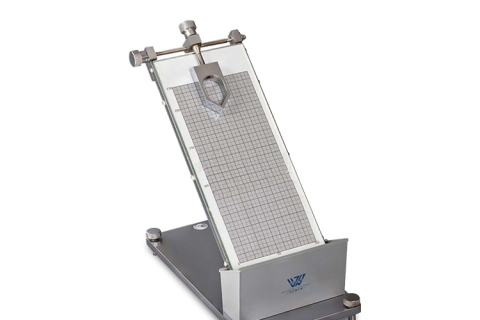
An initial tack tester measures how quickly and firmly an adhesive grabs a surface under light, brief contact—a property distinct from final bond strength. It also outlines how these instruments work, the factors that affect results, and how to choose the right tester.
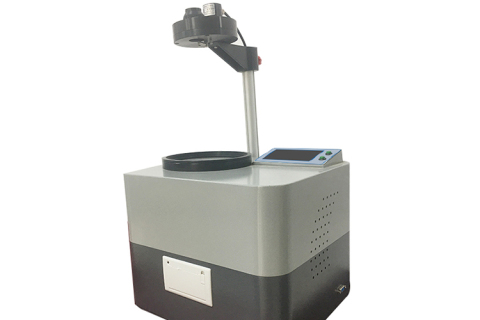
This article explains polariscope technology for detecting internal stress in glass via birefringence. It covers working principles, key applications (bottles, pharma, food), manual/digital/automatic systems, industry standards, selection criteria, maintenance, and future AI/IoT advancements, emphasizing quality control and compliance.
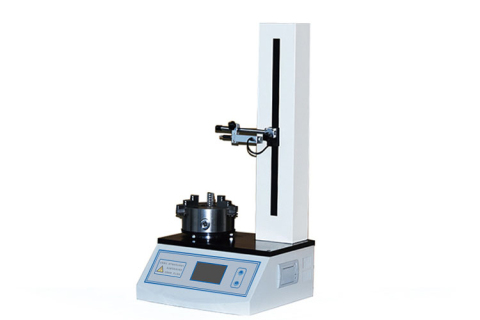
The Vertical Axis Deviation Tester measures bottle perpendicularity. Digital models offer precise, automated readings for packaging quality control. Regular calibration ensures accuracy.
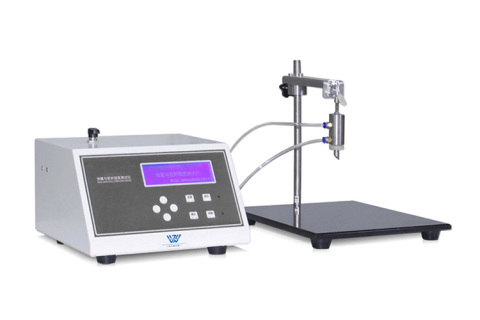
Leak and seal strength tester: positive/vacuum principles, burst/creep modes, food/pharma/medical uses, ASTM/ISO/GB compliance, and features like precision, data management, and lab selection.
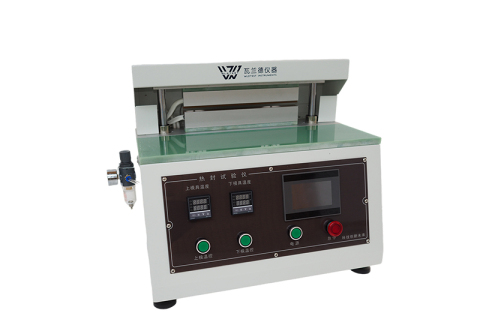
The HST-H3 heat seal tester accurately sets sealing temperature, time, and pressure for film materials. Widely used in food, drug, and cosmetic packaging, it is often paired with automatic torque testers to verify cap tightness, forming a complete quality control solution for closures and seals.
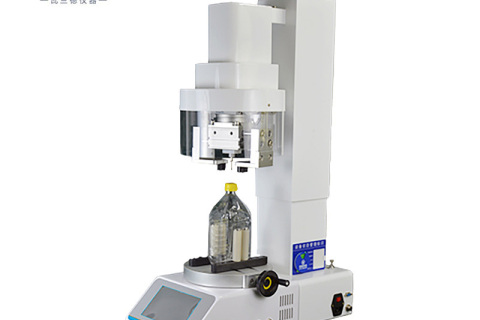
NJY-H5 is an automatic torque tester for bottle caps, measuring opening and closing torque. It uses robotic gripping, has 0.001 Nm resolution, meets ASTM, and suits food, pharma, cosmetic packaging.
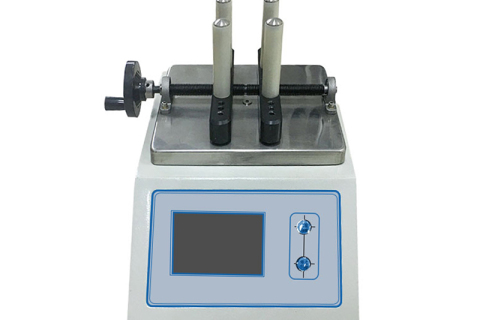
Torque testers measure rotational force on closures via mechanical contacting, converting stress into electronic data through clamping, sensing, and signal processing. Key features include 0.001 N·m resolution, real-time curve display, and multi-industry applications from beverages to medical devices.
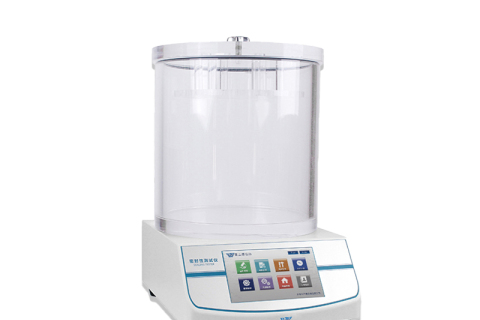
The MFY-CM seal integrity tester uses the vacuum method to detect leaks in flexible packaging, pouches, bottles, and blister packs per ASTM D3078. Featuring PID vacuum control, transparent chamber, and one-button operation, it serves food, pharma, and medical device QA labs.
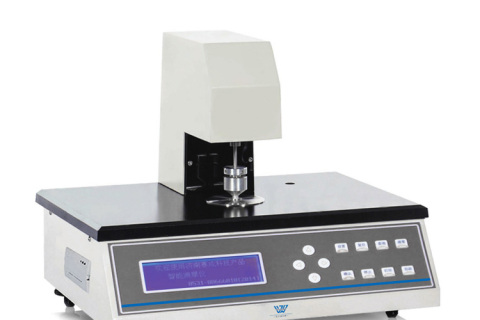
Wald Instruments launches the upgraded CHY-CA thickness tester — a mechanical contacting thickness gauge with 0.1 μm resolution, ISO 4593 compliance, and intelligent auto-feed for films, paper, foils, and more.
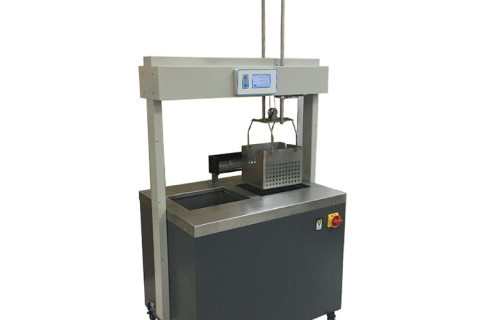
This article introduces the HSR-02 glass bottle thermal shock tester, a specialized instrument for evaluating thermal shock resistance of glass containers per ISO 7459:2004. It covers testing principles, equipment features, a step-by-step procedure, and industry applications across beverage, pharmaceutical, and food packaging sectors.
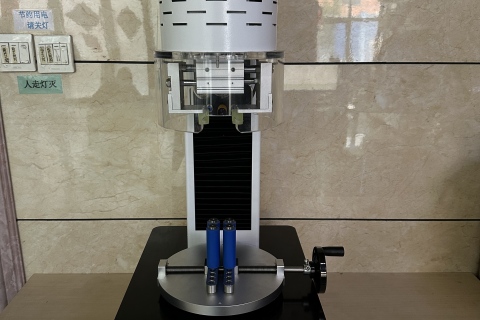
As high-frequency daily consumer goods, bottled beverages occupy a vast consumer market all over the world. The packaging quality of bottled beverages, especially cap sealing performance, determines drinking safety and shelf life. The bottle cap torque test acts as a critical quality control procedure during production, which detects opening torque and tightening torque to balance sealing effect and user-friendliness. Enterprises commonly adopt a professional automatic torque tester to complete standardized torque detection and eliminate potential packaging risks.
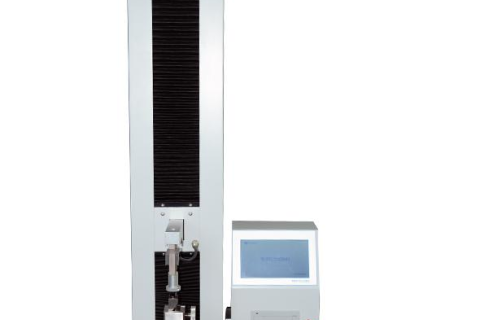
In daily life, many daily products adopt film materials, including food packaging bags, agricultural mulching films and building waterproof rolls. Though thin and lightweight, these films undertake critical functions, and their quality directly determines product safety and service life. Film tensile inspection serves as a core procedure to control film quality. Supported by an intelligent electronic tensile tester, film tensile inspection is a scientific method to evaluate the mechanical properties of film materials. By simulating tension and tearing encountered in actual application to carry out a tensile test, it accurately measures key parameters such as material strength and elongation and completes full-range mechanical property testing. The XLW tensile tester has become the mainstream equipment for industrial film tensile inspection.